

Use of yoga-based exercises for Chronic Low Back Pain
What is CLBP?
Chronic Low Back Pain (CLBP) is pain in the low back (in the absence of a serious pathology) that continues after approximately three months when all physical injury can be assumed to be healed. It develops due to a combination of complex physical and emotional factors. Studies suggest that over 20% of the over-40s age group suffer from CLBP (Shmagel 2016).
Fear and Worry
Patients with CLBP are often intensely worried about their pain and this worry can become a further obstacle in living a full life. Anxiety and depression are often co-morbidities of CLBP and chronic pain is associated with changes in the nervous system (top-down, bottom up and centralisation), structural changes in the brain, changes to emotional processing (fear and hypervigilance) and changes inbehaviour (Zhang 2019). CLBP is a mind-body disease that often defies simple hands-on treatment because the nervous system changes cannot be altered by purely passive measures alone.
Pain is a normal protective mechanism.
However, patients with chronic pain find their attitude to pain changes – fear of pain increases, and they develop a heightened awareness or ‘hypervigilance’ to their painful symptoms (Roelofs). Body/interoceptive awareness rises but in an unhelpful way – patients are aware almost constantly of their painful symptoms but find it hard to focus the mind away from them. This may lead to making decisions to avoid pain at all costs. These behavioural changes often lead to movement being restricted which in turn leads to more fear and worry when ‘normal’ movements become painful. Life becomes less fulfilling and daily life is disrupted. Behavioural movement restrictions lead to more muscle tension, joint stiffness, sedentary behaviour and then a rise in fear of pain in normal physiological ranges. Group exercise classes and the one-size-fits-all approach of first line MSK exercises are often too demanding and further serve to pattern a ‘movement hurts’ belief. Chronicity worsens and other comorbidities may develop. Pain can become an all-encompassing phenomenon and it is not surprising that patients with CLBP report higher than average levels of anxiety and depression.
What is yoga?
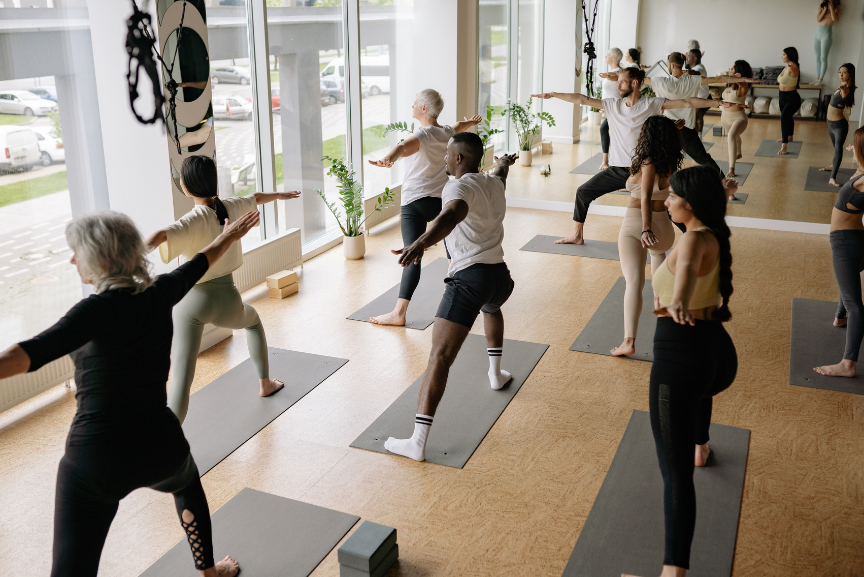
Yoga is not purely a physical exercise designed for flexible young women as media images might suggest. Its practices encompass movement, breathwork, meditation and relaxation designed to improve all aspects of health. There is an ongoing need to demystify yoga as a valid healthcare intervention in the eyes of the public and practitioners alike. Well-documented practices include the physical postures, detailed systems of breathing exercises, relaxation and meditation tools – delivered in groups or as a one-to-one therapy. Over recent years many of these practices have been subject to quality research efforts and this is increasing the use of yoga-based practices in healthcare settings, helping patients with a range of conditions, from insomnia and anxiety to more mechanical ailments. Yoga has deep links with Ayurveda, the Indian ‘science of life’ and there are philosophical texts and explanations behind each of the practices – on how they influence and alter physical and mental states. This has led to a newer discipline called yoga therapy – applying 1:1 diagnosis and prescription using ayurvedic and yogic thinking. Currently unregistered, yoga therapists are nevertheless gaining popularity in the UK (certain courses are accredited by the CNHC). One definition of yoga is ‘Yoga Citta Vritti Nirodha’ (1.2, Yoga Sutras of Patanjali, c 400CE), or Yoga is the cessation of the fluctuations of the mindstuff – underlining that yoga is not a purely physical approach and instead is essentially about calming the mind. This is often as a precursor to meditation and finding a higher spiritual element or enlightenment, taking yoga into the BioPsychoSocialSpiritual domains. The development of the plethora of physical practices over the last 100 years are only a more recent addition to the yoga canon as movement for physical aesthetic purposes became more popular in the West. In the Eastern countries, yoga is often considered an integrated whole-person health approach.
Yoga is a self-management tool for health
Awareness: Central to all the yoga practice, is the development of awareness – noticing how each technique influences body and mind. Yoga practitioners develop high body awareness. It is relevant to note that individuals with CLBP and those with a meditation practice share similar, high levels of body awareness – but those with a meditative practice can choose to ‘not focus’ on their body or pain (Mehling 2018). In contrast, those with chronic pain find themselves hypervigilant to their pain (Roelofs).
Non-violence: Yoga encourages the practice of non-violence in thought, word and deed to oneself and others. In the physical domain, it recommends not causing any more pain when moving.
Self-management: Key to the practice of yoga is developing the discipline of self-practice and the management of your own healthy body and mind. Access the mind via the body Yoga teachers know that gentle mindful movement, breathing and relaxation techniques are extremely useful for addressing both physical and emotional concerns – accessing the mind (and nervous system) via the body. Movement and neural plasticity allow the nervous system to plot new more healthy pathways, which can reduce the threat value of pain and allow students to trust their bodies again.
Breathing:The breathing practices of yoga are well researched, and we know that simple techniques can influence vagal tone, levels of anxiety and depression and promote sleep. In essence, with the appropriate healthcare focus, yoga becomes a valid mind-body intervention, encouraging participants to be more aware of their body and move it safely, while increasing mental calm and a positive promotion of healthy behaviours damage. Valid treatment approaches could address the components of the nervous system that perpetuate chronic pain – fear of movement and hypervigilance to painful symptoms amongst others. Osteopaths are trained to recognise the BioPsychoSocial aspects of their patients’ presentation; however, we often lack the skills to deal with the non-physical. Passive treatment and reassurance can help, but patients with long-standing conditions and their altered nervous systems need re-patterning with active knowledge and active movement. Suitable education, breathing and exercise techniques can all help (Moseley). How can we encourage safe and gentle movement, to reassure and re-pattern the nervous system from the bottom up? Referring a patient onwards to an exercise class or giving them exercises to do at home risks worsening pain – which for some patients will deter them from compliance. Gentle yoga may be able to help.
No Comments